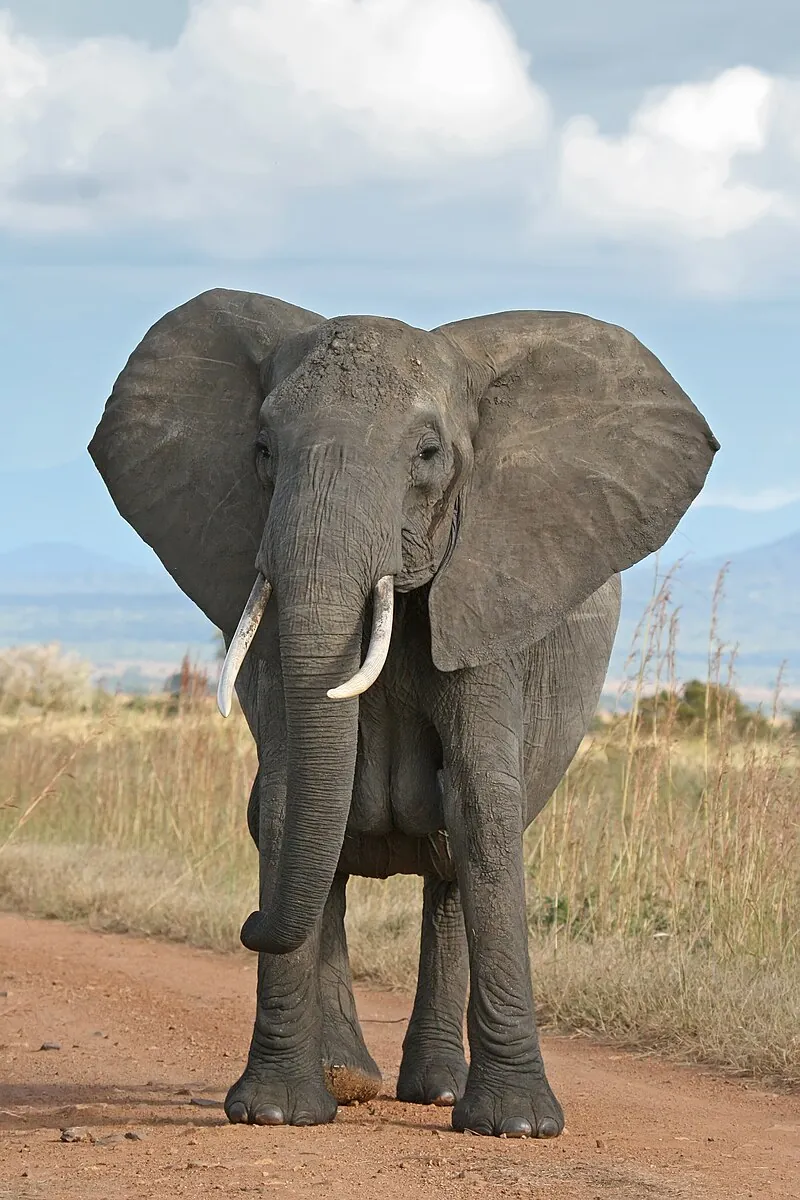
A luxury African safari is a different category of travel experience from almost anything else available to a traveller with money to spend. It is not a theme park, not a resort with views, not a curated urban luxury experience — it is exposure to wild animal behaviour of a specificity and intimacy that simply cannot be replicated elsewhere on Earth, delivered in conditions (chef-prepared meals, private plunge pools, star-canopied sleeping under canvas, expert naturalists who have spent years reading the landscape) that combine the primal with the exceptionally comfortable. The best private safari camps in Africa — Singita Grumeti in Tanzania, &Beyond Sandibe in the Okavango Delta, Wilderness Safaris' Vumbura Plains in Botswana — charge $1,000–$3,000 per person per night. They are fully booked months to years in advance, deliver on their extraordinary claims, and are considered by a significant proportion of their guests to be the most worthwhile travel expenditure of their lives. The question is not whether the experience is worth it but how to choose the right destination, the right camp, and the right season.
The Destinations: Africa's Premier Safari Ecosystems
Kenya — The Masai Mara and the Great Migration
The Masai Mara National Reserve in southwestern Kenya is arguably the single most iconic safari destination in Africa — a vast, open grassland ecosystem contiguous with Tanzania's Serengeti that hosts the world's largest overland animal migration. Between July and October, approximately 1.5 million wildebeest, 200,000 zebra, and 500,000 gazelle cross from Tanzania into Kenya — the river crossings at the Mara River (where crocodiles wait in the shallows as herds plunge into the current) are among the most dramatic wildlife spectacles on Earth. But the Mara's wildlife is exceptional year-round, not merely during migration season:
- The reserve has one of the highest densities of lion in Africa — prides of 20–30 lions are not uncommon
- The Mara is one of the last places where cheetah hunt in open savanna at accessible distances
- Leopard density in the Mara Triangle (the best-managed section of the reserve) is the highest of any publicly accessible reserve in East Africa
Private conservancies: The most significant development in Kenyan safari in recent years is the growth of private conservancies adjacent to the Mara — Ol Kinyei, Naboisho, Olare Motorogi, Lemek. These community-owned conservancies (which provide direct income to Maasai landowners, incentivising conservation over cattle grazing) limit vehicle numbers dramatically — sometimes 2–3 vehicles per sighting versus 20–40 in the national reserve — and allow off-road driving, night drives, and walking safaris that the national park prohibits. The experience in a good Mara conservancy is markedly superior to the main reserve; the best camps (Mara Plains, Sanctuary Olonana, Angama Mara, Rekero) are positioned in these private areas.
Tanzania — The Serengeti and Ngorongoro
Tanzania offers the most diverse safari circuit in Africa: the Serengeti (1.5 million hectares, the most complete large mammal ecosystem remaining on Earth), the Ngorongoro Crater (a UNESCO World Heritage Site, a collapsed volcanic caldera containing an estimated 25,000 animals in a self-contained 260 km² ecosystem, including one of Africa's last viable black rhino populations), Tarangire (famous for its enormous elephant herds and ancient baobab trees), and the southern circuit (Selous Game Reserve, Ruaha National Park — less visited, wilder, with dramatically lower tourist density).
Tanzania's northern circuit (Serengeti, Ngorongoro, Tarangire, Lake Manyara) is more visited but remains extraordinary. The southern circuit is for those who prioritise wilderness over convenience — access requires light aircraft from Dar es Salaam or Arusha, and the reward is landscapes without another vehicle in sight. The luxury operator Singita (Grumeti Fund in the western Serengeti, Faru Faru Lodge and Sabora Tented Camp) has invested in conservation over 350,000 acres in western Serengeti — the wildlife density and camp quality here is among the finest in Tanzania.
Botswana — The Okavango Delta and Beyond
Botswana has made a deliberate high-value, low-volume tourism strategy its national policy for decades — limiting total visitor numbers and camp sizes to preserve the wilderness experience and justify premium pricing. The result: the most genuinely wild safari experience accessible to travellers, at the highest consistent price point in Africa.
- Okavango Delta: An inland river delta — the Okavango River flows from Angola into Botswana and disappears into the Kalahari Desert, creating a seasonal flood that supports one of Africa's greatest wildlife concentrations. The delta is navigated by mokoro (traditional dugout canoe) for water-level game viewing. Camps like Wilderness Safaris' Vumbura Plains, &Beyond Sandibe, and Mombo (a National Geographic collaboration, consistently cited as Africa's best all-round camp) are on private concessions of 100,000+ acres with zero access except through the camp. Game drives, mokoro, walking, boating, and fishing within a single ecosystem.
- Chobe National Park: Home to Africa's largest elephant population (approximately 130,000 elephants, the densest elephant concentration on the continent) — elephant viewing from boats on the Chobe River provides a perspective available nowhere else. Chobe is often combined with the Okavango as part of a Botswana circuit.
- Moremi Game Reserve: Within the Okavango Delta, Moremi is the only formally protected area within the delta ecosystem — wild dog, painted wolf (African wild dog), leopard, lion, and buffalo in a landscape that alternates between floodplain and woodland.
Choosing a Camp: What $1,000+ Per Night Actually Delivers
Luxury safari camps at the premium tier ($1,000–$3,000 pp/night, all-inclusive) typically include:
- All game drives and activities (typically 2 per day: morning and late afternoon/evening, each 3–4 hours)
- All meals (chef-prepared, often at an exceptional standard — fresh-baked bread, multi-course dinners, proper coffee from local roasters)
- All beverages including house spirits, wine, and beer
- Laundry
- Park and conservancy fees (which can be $100–$300 pp/day at premium Botswana concessions)
- Small group sizes (typically 6–8 guests maximum per vehicle)
- Dedicated tracker in addition to the guide — two sets of expert eyes per vehicle
The specific camp differentiation that matters most: the guide. A first-rate guide (one who has spent 10+ years in a specific ecosystem, can identify birds by call at 50 metres, knows individual animal histories, can read tracks and predict behaviour) transforms a good safari into an extraordinary one. Premium camps invest specifically in their guides — this is worth asking about when booking.
When to Go: Seasonality Matters Enormously
- Kenya Masai Mara: Peak migration: July–October. Excellent year-round for resident wildlife; green season (November–June) has fewer tourists, lower prices, excellent birdlife.
- Tanzania Serengeti: Calving season (January–February, southern Serengeti) — the best predator activity of the year as lions, cheetahs, and hyenas concentrate on newborn wildebeest. River crossings: July–October (northern Serengeti).
- Botswana Okavango: The flood (June–August, the best time — water fills the channels and islands, concentrating wildlife on elevated ground) coincides with winter (dry, cool nights). Year-round access but water levels vary significantly.
Booking: Specialists vs Direct
Booking a multi-country safari through a specialist outfitter (Micato Safaris, &Beyond, Wilderness Safaris, Singita direct, or travel agents who specialise in Africa — Ker & Downey, Abercrombie & Kent, Asilia Africa) provides logistical expertise that is genuinely valuable: light aircraft coordination between camps, understanding which conservancy/season combinations deliver the best wildlife, real-time knowledge of which specific camps have exceptional guide teams in a given year. The booking fee or markup (typically 10–20% over direct rates) is usually worth paying for the planning expertise and backup support if things go wrong.
Related: The Maldives: Paradise and What It Actually Costs | Travel Insurance: Medical Evacuation and What It Covers