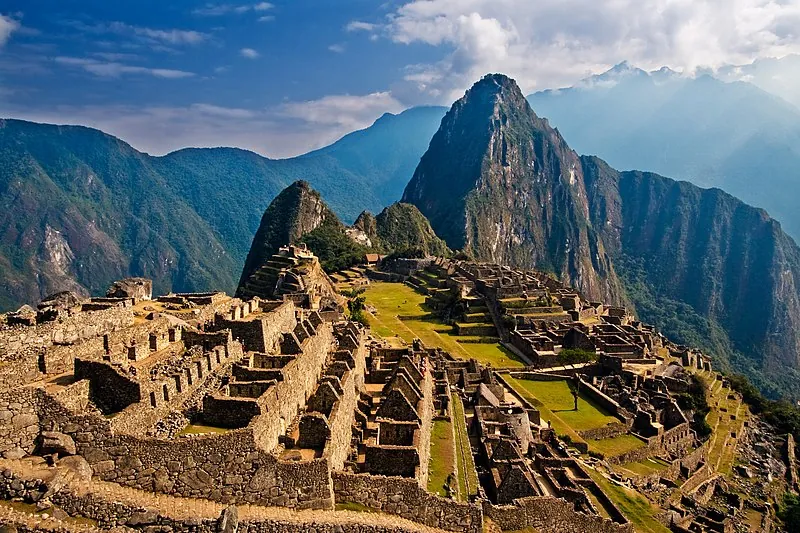
Machu Picchu is not just a checklist item. It is one of those rare places in the world that exceeds its own reputation, where the physical reality of standing among 15th-century Inca stonework on a ridge above a cloud forest, with mountain peaks rising on every side, produces a feeling that photographs have never quite communicated. It is also the endpoint of a journey through one of the most compelling countries in South America: a country that combines colonial-era cities, high-altitude Andean market towns, world-class restaurants, and some of the best trekking on the continent. This guide covers everything from Lima's food scene to the practicalities of getting a Machu Picchu ticket in 2025.
Machu Picchu: The Practicalities
Entry Tickets
Machu Picchu entry is strictly controlled and limited. The Peruvian Ministry of Culture restricts daily visitors to 4,500 per day across all circuits. Tickets cost S/152 (approximately $40) for entry to Machu Picchu plus one of the four designated walking circuits. Tickets must be purchased in advance through the official Machu Picchu portal at machupicchu.gob.pe. There are no walk-up tickets available at the site. Tickets sell out weeks to months in advance during the dry season (May–September), so planning ahead is essential.
Entry is timed: you choose a morning (6am–12pm) or afternoon (12pm–5:30pm) slot. Morning slots offer cooler temperatures and the possibility of mist rising from the valley below, which produces the most atmospheric photography. No food or drinks other than water are permitted inside the citadel. Tripods require a separate permit.
Getting to Machu Picchu
There is no road to Machu Picchu. The only motorised access is by train from Cusco or Ollantaytambo to Aguas Calientes (also called Machu Picchu Pueblo), followed by a bus from Aguas Calientes up the switchback road to the site entrance. PeruRail and Inca Rail operate train services; the journey from Ollantaytambo (at 2,792m) is 1.5 hours through increasingly dramatic cloud forest scenery and costs $30–80 one way depending on class. From Cusco, the journey takes 3.5 hours. Buses from Aguas Calientes to the site entrance run every 20 minutes from 5:30am and cost $24 return.
The Inca Trail
The Classic Inca Trail is a 43km trek from the Sacred Valley to Machu Picchu that passes through multiple ecosystems, several Inca ruins, and the famous Sun Gate (Inti Punku) before descending into the citadel. The trail takes four days and three nights and reaches a maximum altitude of 4,215m at Dead Woman's Pass on the second day.
Daily permits are limited to 500 people (including guides, porters, and cooks), making it one of the most controlled trekking permits in the world. Permits sell out months in advance for the peak season (May–August). All trekkers must be accompanied by a licensed operator; you cannot walk the Classic Inca Trail independently. Prices for organised Inca Trail treks range from $550 to $1,200 per person depending on group size, quality of camping equipment, and level of service. This includes the Machu Picchu entry ticket.
Alternative Treks
Several excellent alternatives reach Machu Picchu without requiring an Inca Trail permit. The Salkantay Trek (five days, starting from Mollepata) is arguably more scenically dramatic, crossing a 4,638m pass beneath the Salkantay glacier before descending through coffee and banana plantations to Aguas Calientes. No permit is required, though a licensed guide is strongly recommended. The Lares Trek (four days) passes traditional Andean villages and hot springs at altitude. The Quarry Trail (two days from Km 104) is the shortest option using a portion of the original trail and entering Machu Picchu through the Sun Gate.
The Sacred Valley
The Urubamba Valley, known as the Sacred Valley of the Incas, lies at 2,800m between Cusco and Machu Picchu and deserves at least two days of dedicated exploration. Spending time here before Machu Picchu also helps with altitude acclimatisation, since the valley floor is around 600m lower than Cusco.
Pisac is the most visited town in the valley, with a large Sunday artisan market in the Plaza de Armas (most interesting early morning) and a substantial set of Inca ruins above the town. The ruins are accessible via a steep 2-hour hike or by taxi. Ollantaytambo, at the western end of the valley, is the departure point for most Machu Picchu trains and also contains the most impressive standing Inca fortress in Peru. Unlike Machu Picchu, which was abandoned after the Spanish conquest, Ollantaytambo is still an inhabited town and has been continuously occupied since the 15th century. Chinchero, above the valley, hosts a traditional weavers' market and a colonial church built on Inca foundations.
Cusco: Altitude, Architecture, and Acclimatisation
Cusco (altitude: 3,400m) was the capital of the Inca Empire and is the most important city in the Peruvian highlands. Its historic centre is a UNESCO World Heritage Site. The Plaza de Armas, lined with colonial-era arcades built on Inca stone foundations, is one of the finest main squares in South America. Qorikancha (the Temple of the Sun) was the most sacred site in the Inca Empire; the Spanish built the Convent of Santo Domingo on top of it and the contrast between the precision of the Inca stonework and the rougher Spanish masonry is visible in every wall. The San Pedro Market, a few blocks from the plaza, is a genuine food market used by locals rather than a tourist attraction.
Altitude Sickness
Altitude sickness (soroche in Spanish) affects many visitors to Cusco. The most important rule is to spend at least two nights in Cusco or the Sacred Valley before attempting any strenuous activity or visiting Machu Picchu. Symptoms include headache, nausea, fatigue, and dizziness. Coca tea (mate de coca), served everywhere in the highlands, provides mild relief and is legal to drink in Peru though you should not bring dried coca leaves or products home. Avoid alcohol for the first 48 hours at altitude. If symptoms are severe, descend immediately: altitude sickness that progresses to pulmonary or cerebral oedema is life-threatening. The prescription medication acetazolamide (Diamox) helps many visitors and should be discussed with a doctor before travelling.
Lima: The Starting Point
Most international flights to Peru land in Lima, and the capital deserves more than a transit stop. The Miraflores and Barranco neighbourhoods, on cliffs above the Pacific, are pleasant, walkable, and full of good restaurants. Lima has established itself over the past fifteen years as one of the world's great food cities. The restaurant Central, run by chef Virgilio Martínez, has appeared in the World's 50 Best Restaurants list for over a decade and currently ranks in the top five globally. Reservations must be made months in advance and a tasting menu costs around $250 per person. More accessible is the neighbourhood cevichería scene: La Mar in Miraflores is excellent and costs around $40–60 per person.
The Huaca Pucllana in Miraflores is an adobe pyramid built by the Lima culture around 400 AD, now excavated and open to visitors (S/15 entry) in the middle of a modern residential neighbourhood. The contrast of ancient ceremonial architecture surrounded by apartment buildings is genuinely striking.
Practical Information and Budget
When to Go
The dry season in the southern Peruvian highlands runs from May to September. June, July, and August offer the most reliable weather for trekking and Machu Picchu visits, but they are also the busiest and most expensive months. May and September are excellent compromises: drier than the wet season, less crowded than peak summer, with green vegetation from the recent rains. The wet season (October through April) brings heavy afternoon rainfall but also fewer tourists. Machu Picchu is open year-round, though January can occasionally see temporary closures due to flooding.
Money and Budget
Peru uses the sol (S/). As of 2025, the exchange rate is approximately S/3.75 per US dollar. Budget travellers can manage on $40–60 per day in Cusco and the Sacred Valley, covering a hostel bed ($10–20), street food and market meals, and local transport. Mid-range travel runs to $100–150 per day. Machu Picchu costs (entrance, train, bus) add approximately $100–120 to your budget for that day. ATMs are widely available in Cusco but rare in smaller valley towns; carry cash for rural areas.
Getting There
Lima is connected to major North American and European cities by direct and one-stop flights. LATAM, Avianca, and American Airlines operate the most frequent routes from Europe (via Miami or Bogotá). From Lima, domestic flights to Cusco (one hour) cost $60–150 depending on how far in advance you book. The overland route from Lima to Cusco by bus exists (20+ hours) but is rarely worth the time for international visitors.
Related: Kenya Safari Guide: Masai Mara, Amboseli, and the Big Five | The Best Honeymoon Destinations: Romance at Every Budget