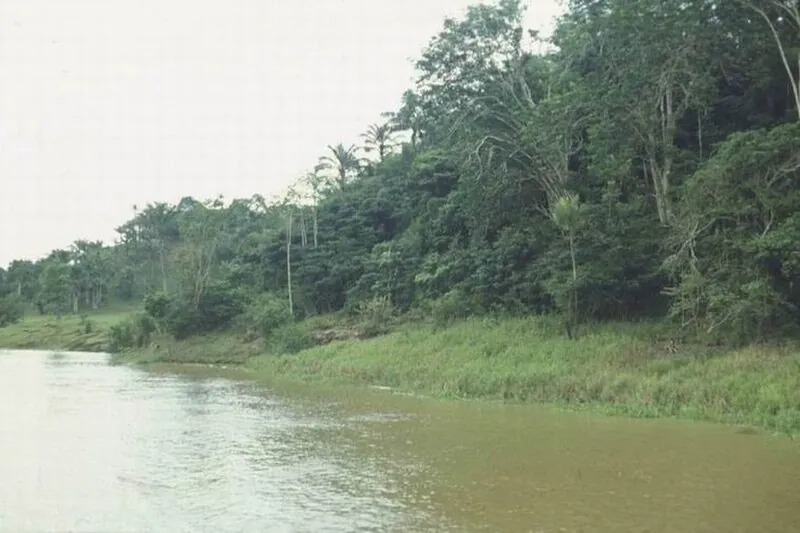
The Amazon rainforest contains around 10% of all species on Earth, produces roughly 20% of the world's fresh water, and remains one of the last places on the planet where you can genuinely feel the weight of wilderness. Visiting it is more practical than most people expect: dozens of well-run lodges operate across Brazil, Peru, and Ecuador, offering everything from basic riverboat expeditions to some of the most design-forward jungle retreats in the world. Choosing the right access point and understanding the seasons makes all the difference between a muddy disappointment and a transformative experience.
Choosing Your Access Point
The Amazon is enormous, roughly the size of the contiguous United States. Your choice of country and gateway city determines which ecosystem and wildlife you encounter.
Manaus, Brazil: The Rio Negro and Anavilhanas
Manaus sits at the confluence of the Rio Negro and the Amazon, 1,500 kilometres from the Atlantic coast. It is the largest Amazonian city (population 2.2 million) and home to the famous Teatro Amazonas opera house, built during the rubber boom in 1896. The surrounding waters are some of the most distinctive in the basin: the Rio Negro runs tea-coloured due to dissolved tannins and supports very few mosquitoes, which makes exploring it particularly pleasant.
About 100 kilometres upstream lies the Anavilhanas Archipelago, the second-largest river archipelago in the world, with 400 islands that partially submerge during the high-water season, creating an extraordinary flooded forest landscape. The Anavilhanas Jungle Lodge is the standout mid-range property here, with bungalows over the water and guided canoe trips into the igapó (flooded forest).
Iquitos, Peru: The Peruvian Amazon
Iquitos is one of the world's largest cities with no road connection to the outside world. You reach it only by air (1.5-hour flights from Lima with LATAM or Star Peru) or by river (a 3–5 day boat journey from Pucallpa). This isolation keeps it genuinely remote and makes the surrounding jungle feel wilder than more accessible areas.
The Pacaya-Samiria National Reserve, accessible from Iquitos, is Peru's largest protected area at over 2 million hectares. It hosts pink river dolphins, manatees, black caiman, and extraordinary bird diversity. Inkaterra Reserva Amazonica, located on the Madre de Dios River near Puerto Maldonado (another Peruvian access point), offers high-end bungalows, guided walks, and a canopy walkway at 35 metres above ground.
Coca, Ecuador: The Napo River
Francisco de Orellana, known as Coca, is a 30-minute flight from Quito and serves as the gateway to Ecuador's Amazon, the Oriente. From Coca, motorised canoes head downriver on the Napo River into Yasuní National Park, a UNESCO Biosphere Reserve that scientists consider one of the most biodiverse places on Earth. A single hectare in Yasuní can contain more tree species than all of North America.
La Selva Lodge, accessed by a 2-hour canoe ride from Coca, is one of the best mid-range options in the continent, with excellent naturalist guides, a private lagoon for caiman spotting at night, and a strong track record for bird diversity (over 580 species recorded on the property). Napo Wildlife Center, deeper into Yasuní and owned by the Añangu Kichwa community, is Ecuador's most celebrated luxury lodge and offers a clay lick where hundreds of parrots and parakeets gather each morning.
What to Do in the Amazon
Activities vary by lodge and season, but most properties offer a consistent core programme.
Wildlife Spotting and Night Walks
Daytime boat rides and guided forest walks reveal monkeys (most commonly howler, squirrel, and capuchin), sloths, toucans, macaws, and a staggering variety of insects and amphibians. Night walks are often the highlight: a guide's torch will pick out tarantulas, tree frogs, caimans in waterways (their eyes glow red), and, occasionally, giant Amazon tree boas draped across branches.
Canopy Walks
Several lodges have suspended walkway systems that put you at 25–40 metres above the forest floor, the level where most bird and monkey activity occurs. The walkway at Cristalino Lodge in Mato Grosso, Brazil, is one of the most impressive at 44 metres high with a tower offering 360-degree views above the canopy.
Piranha Fishing
Piranha fishing is a standard activity at most lodges: a guide hands you a bamboo rod with a piece of raw meat as bait. It is more of a cultural ritual than a sporting challenge (piranha are quick and numerous), but it is genuinely entertaining. Red-bellied piranha, the most famous species, are typically catch-and-release.
Meeting Indigenous Communities
Many lodges partner with local communities for cultural visits. These range from superficial to deeply meaningful depending on the operator. Napo Wildlife Center in Ecuador and Posada Amazonas in Peru stand out because they are actually owned or co-managed by indigenous communities, ensuring tourism revenue flows directly to local families.
Lodge Tiers and Real Costs
Amazon lodge prices are typically quoted per person per night and include all meals, guided activities, and transfers from the nearest city.
- Budget riverboats: $50–120 per person per night. Hammock or basic cabin accommodation on a slow boat exploring the river. Best for independent travellers comfortable with rougher conditions. Companies like Amazon Clipper operate these from Manaus.
- Mid-range eco-lodges: $150–350 per person per night. Private rooms or bungalows, en-suite bathrooms, a small pool, and resident naturalist guides. Examples: Anavilhanas Jungle Lodge (Brazil, from around $220), La Selva Lodge (Ecuador, from around $280 including transfers from Coca).
- Luxury lodges: $400–900+ per person per night. High-design bungalows, exceptional food, private guides, and serious research or conservation credentials. Cristalino Lodge in southern Pará state (Brazil) is widely considered the finest birding lodge in the Amazon, with over 620 bird species recorded. Inkaterra Reserva Amazonica (Peru) combines luxury with a botanical reserve and outstanding guided walks.
The Best Season to Visit
The Amazon has two distinct seasons, and each offers genuinely different experiences.
Low water (July to November): Rivers fall by 10–15 metres, exposing beaches and concentrating wildlife around remaining water sources. Animals are easier to spot. Trails are walkable. This is the conventional "best season" for wildlife viewing, and prices are highest during this period.
High water (May to June): The forest floods, creating the igapó (flooded forest) that you can explore by canoe directly between the trees. Pink river dolphins come closer to lodges. Fishing is exceptional. Bird life is equally varied but distributed differently. Prices are often 20–30% lower. The downside is that walking trails are limited and some lodges close entirely in April.
The wettest months (December to March) bring daily heavy rain and flooding. Some lodges remain open with reduced programmes, and prices drop substantially. For a first-time visitor, May–June or September–October offer the best balance of wildlife, accessibility, and reasonable costs.
Health and Practical Preparation
Yellow fever vaccination is required to enter many Amazon areas and is strongly recommended regardless of requirements. Malaria prophylaxis is advised for all jungle travel. Anti-DEET insect repellent at 40% concentration or higher is essential, and long sleeves and trousers are necessary after dusk. Most lodges provide rubber boots for trail walking.
Pack light: high humidity means clothing takes days to dry if it gets wet. Quick-dry synthetic fabrics work far better than cotton. A dry bag for camera equipment is essential if you'll be on boats in rain.
Related: Ecuador Travel Guide: Galápagos, Quito, and the Cloud Forest | Peru Travel Guide: Machu Picchu, Lima, and Beyond