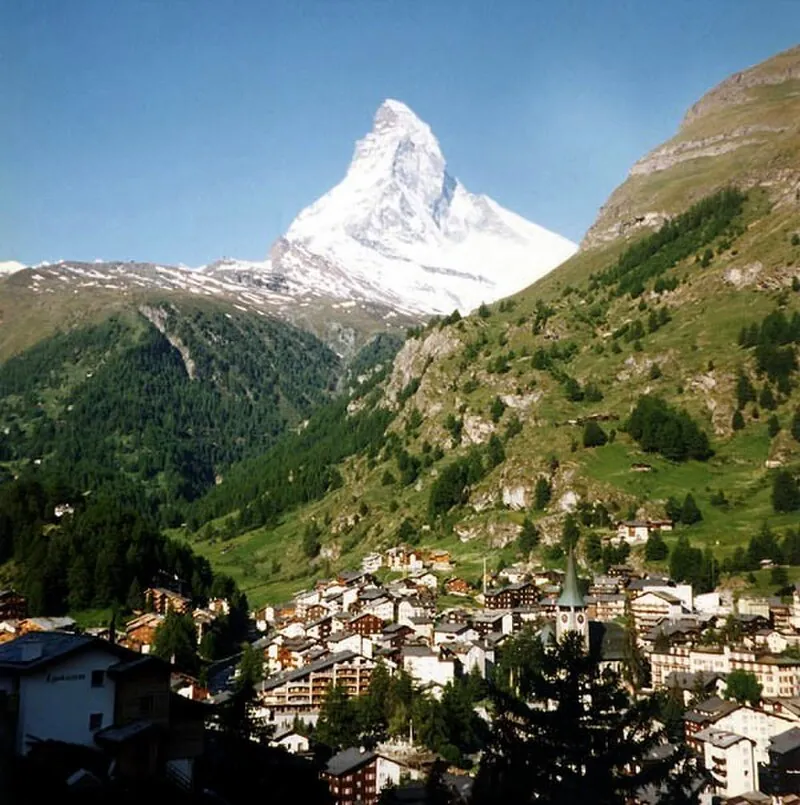
The world's premier ski resorts are competing in multiple dimensions simultaneously — terrain quality and variety, snow reliability, après-ski culture, restaurant scene, accommodation standard, and something harder to quantify: the sense of being in a place that has its own authentic character, that is something other than a theme park built around ski lifts. The best resorts win on all of these simultaneously. Aspen is still the most glamorous address in American skiing and a genuine mountain town with 150 years of history. Courchevel 1850 has the best ski area in the world by objective acreage and vertical, in the Three Valleys, and restaurants that would justify the flight without the snow. Verbier has the finest off-piste terrain in the Alps and a nightlife culture that runs until the lifts open the following morning. Zermatt has the Matterhorn and the only lift-served skiing above 3,800 metres in central Europe. Choosing between them is choosing which dimension of the luxury ski experience matters most to you.
Courchevel, France — The Three Valleys Ski Empire
Courchevel sits within the Trois Vallées (Three Valleys) — the largest interconnected ski area in the world at 600km of marked pistes, 330 runs, 183 lifts, spanning four valleys and three resorts (Courchevel, Méribel, and Val Thorens). On terrain alone, this is the benchmark against which all other ski areas are measured. Courchevel 1850 — the highest of the resort's four villages and the most expensive address in Alpine skiing — is the centre of gravity for the French luxury ski market and a significant proportion of the global ultra-high-net-worth ski community.
- Terrain: Le Praz (1,300m) through 1650 to 1850 (1,850m base) with skiing to 2,738m on the Saulire. Excellent beginner and intermediate terrain; the Saulire Grand Couloir and the off-piste of the Couloir des Pisteurs provide genuine expert terrain. The Three Valleys extension means an entire ski holiday can be spent in a single connected system without repetition.
- Food: Courchevel has 8 Michelin-starred restaurants — more than any other ski resort in the world, including Le Chabichou (2 stars), Le 1947 at the Cheval Blanc (2 stars), and Azimut (1 star). The mountain restaurant Le Génépy is one of the finest on-piste lunch experiences in the Alps.
- Accommodation: The Cheval Blanc Courchevel (1850, formerly LVMH Belvedère) is the flagship luxury hotel — CHF 2,000–5,000/night in high season, ski-in/ski-out, the best spa in Courchevel. Les Airelles is the other benchmark luxury address. Chalet rental — private staffed chalets with chef, guide, and concierge — runs £10,000–£50,000+ per week for the finest properties.
Verbier, Switzerland — The Off-Piste Capital
Verbier, in the Swiss canton of Valais, is the preferred destination of serious skiers who also want world-class après-ski — a combination that few resorts manage. The terrain is demanding by European standards: the ski area (4 Vallées, 410km of pistes) includes Mont-Fort (3,330m) and the legendary Freeride World Tour venue at the Col des Gentianes and Bec des Rosses — where the world's best freeride skiers compete on terrain most competent skiers would observe only from a distance.
- Off-piste: Verbier's real identity is as the off-piste capital of the Alps. The Vallon d'Arby, the Tour des Combins (a multi-day ski touring circuit in the surrounding mountains), and the long off-piste runs from Mont-Fort toward Siviez are among the finest in Europe. Hiring a qualified mountain guide (Bureau des Guides de Verbier) is strongly recommended; the terrain that makes Verbier exciting is the same terrain that claims lives every season.
- Après-ski: Farm Club, Bar Mont-Fort, and the terrace of the Farinet hotel are the centre of Verbier's famously intense après-ski culture. The population of Verbier (which is mostly British, Russian, and Swiss) turns the village into something closer to a mountain nightclub between 3pm and 8pm each afternoon during peak season.
- Accommodation: W Verbier, Hotel Nevai, and Chalet n°12 (Ultima Hotels) are the luxury address anchors. Verbier's private chalet market is the most established in the Alps — hundreds of staffed chalets managed by specialist operators including Scott Dunn, Consensio, and Bramble Ski.
Zermatt, Switzerland — The Matterhorn and Year-Round Skiing
Zermatt's distinguishing features are its mountain backdrop — the 4,478m Matterhorn, the most photographed mountain in the world, is impossible to not be affected by — and its practical advantages: a car-free village, a ski area that links to Cervinia in Italy (providing access to southern-facing slopes in poor weather), and year-round glacier skiing on the Klein Matterhorn (3,883m, the highest cable car station in the Alps). The glacier skiing (available July and August) means Zermatt is one of the few resorts where off-season summer skiing on real snow is genuinely excellent.
- Terrain: 360km of marked pistes across an exceptional altitude range (1,620m–3,883m). The skiing is mostly above 2,000m, providing consistent snow quality even in marginal seasons. Expert terrain on the north-facing slopes below the Matterhorn; long cruising runs on the Italian side.
- The village: Zermatt's car-free policy (vehicles permitted only for deliveries; guests arrive by train from Täsch) creates an atmosphere of genuine Alpine village — narrow alleys, traditional chalets, electric taxis — that the larger Swiss resorts have lost to development. The main street (Bahnhofstrasse) has high-end watch and jewellery boutiques, but the old village quarter (the Hinterdorf, with traditional Walliser farmhouses) is authentically preserved.
- Accommodation: Mont Cervin Palace (historic 5-star, a classic grand hotel since 1852), The Omnia (boutique, clifftop access by private elevator), and the Mont Blanc Hotel & Spa are the established luxury addresses. The view of the Matterhorn at dawn from a heated hotel terrace is one of the defining Alpine experiences.
Aspen, Colorado — American Luxury Skiing's Defining Address
Aspen has maintained its position as the most prestigious address in American skiing for over 70 years — partly through the quality of its four ski mountains (Aspen Mountain, Aspen Highlands, Buttermilk, and Snowmass), partly through its cultural legacy (the Aspen Institute, the Aspen Music Festival, a roster of celebrity homeowners that has made it a permanent fixture in luxury lifestyle coverage), and partly through genuine quality across food, accommodation, and off-slope experience.
- Terrain: Aspen Mountain (Ajax) is the steep, expert-focused original mountain — no beginner terrain, all black and double-black, with the Highland Bowl (the most demanding inbound terrain in Colorado, accessed by a 45-minute hike above the lifts) as its centrepiece. Snowmass (connected by shuttle) is the largest of the four mountains — extensive intermediate and advanced terrain, the best for families. Aspen Highlands has the most dramatic ridge skiing. The four-mountain lift ticket covers all four.
- Town: Aspen has survived several decades of luxury price inflation to remain a functional town — a local community alongside the second-home market, genuine independent restaurants alongside celebrity-chef outposts, year-round residents alongside the ski week visitors. The food scene (Matsuhisa, Plat B, Justice Snow's) is excellent by any non-New York standard.
- Accommodation: The Little Nell (ski-in/ski-out at the base of Ajax, Forbes Five-Star, $1,500–$6,000/night in high season), The St Regis Aspen, and the Hotel Jerome (historic 1889 Victorian, the most characterful hotel in Aspen) are the benchmark luxury addresses.
Val d'Isère and St Moritz: The Honourable Mentions
Val d'Isère (France, linked with Tignes in the Espace Killy ski area — 300km of pistes, some of the most challenging inbound terrain in France, home to the World Cup Criterium de la Première Neige every December) is the choice for serious skiers who want French Alpine culture without Courchevel's price extremes — though it approaches them in peak weeks. St Moritz (Switzerland, the original luxury winter resort — the first groomed ski run in the world, the Cresta Run bobsled track, Badrutt's Palace Hotel, the annual White Turf horse races on the frozen lake) remains the most historically significant Alpine resort and the reference point for Swiss winter luxury at its most established.
What a Luxury Ski Holiday Actually Costs
A week at a premier Alpine resort for a couple, in peak season (Christmas, New Year, February half-term):
- Flights (business class, transatlantic from US): $4,000–$8,000 per person
- Chalet or luxury hotel: $5,000–$20,000+ for the week (private staffed chalet) or $3,000–$10,000 (luxury hotel per couple)
- Lift passes: €350–€420 per person per week (Alps); $150–$350 in the US
- Ski hire or carriage of own equipment: €100–€200/week
- Mountain guide: €500–€700/day for off-piste guiding
- Food and après-ski: €150–€300/person/day at premium Alpine resorts
Total for a couple, one week in Courchevel or Verbier: $15,000–$40,000 depending on accommodation tier and travel class. This is the cost structure that explains the industry's CPM and advertising demographics.
Related: Travel Credit Cards: Maximise Your Points for Business Class | The Alps: Switzerland, France, and Austria Beyond the Ski Slopes