New York City received 62.2 million visitors in 2023, making it the most visited city in North America. It is also one of the easiest cities to visit badly: Times Square is a mediocre experience that crowds make worse, the top-of-the-rock observation queues consume time that could be spent in the High Line or the Frick Collection, and the pressure to "see everything" in a city this large produces exhaustion rather than engagement. The people who love New York most are typically those who stopped trying to cover it comprehensively and instead found two or three neighbourhoods, two or three restaurants, and two or three things to do in depth. New York rewards the visitor who treats it as a city to inhabit for a few days, not a checklist to complete.
Manhattan: Neighbourhoods That Matter
The Met and the Upper East Side
The Metropolitan Museum of Art is the largest art museum in the Western Hemisphere, with a permanent collection of over 1.5 million objects spanning 5,000 years of human culture. The Egyptian Wing (including the Temple of Dendur, a complete first-century BCE Egyptian temple relocated stone-by-stone in 1978), the Arms and Armour gallery, the American Wing, and the European Paintings collection (Vermeer, Rembrandt, Caravaggio, El Greco) justify the £25 suggested admission several times over. Plan 3 to 4 hours minimum; the roof garden (open May to October) provides one of the best views of Central Park. Museum Mile on Fifth Avenue also includes the Guggenheim (Frank Lloyd Wright's 1959 spiral building), the Jewish Museum, and the Cooper Hewitt Design Museum, all within walking distance.
Chelsea and the High Line
The High Line is a 1.45-mile elevated linear park built on a disused freight railway line, running from the Meatpacking District (Gansevoort Street) to Hudson Yards (34th Street). The park opened in 2009 and transformed the West Side real estate market it runs through. The combination of urban landscape, public art (the High Line's art programme is one of the most active in New York), and views of the Hudson River and Manhattan street grid makes it one of the best free experiences in the city. Chelsea beneath the High Line is New York's highest concentration of commercial art galleries; the David Zwirner, Gagosian (21st Street), and Hauser & Wirth galleries are all free to enter and consistently show significant contemporary work.
Greenwich Village and the West Village
The West Village retains the low-rise, brownstone street texture that most of Manhattan sacrificed to development over the past century. Bleecker Street, Bedford Street, and the surrounding grid of narrow residential streets are the most cinematic and walkable blocks in the city. The West Village is also home to some of New York's best restaurants: Carbone (Italian-American, requires reservation weeks in advance), The Spotted Pig (Gordon Ramsay's gastropub, until its closure replaced the category), and a concentration of independent wine bars and coffee shops that serve the neighbourhood's media and creative industry residents.
Lower East Side and East Village
The traditional immigrant neighbourhood, former home to successive waves of Jewish, Puerto Rican, and Chinese immigrant communities, now housing some of the city's best cocktail bars (Death & Co on East 6th is one of the most influential cocktail bars in the world, winner of four Tales of the Cocktail World's Best Bar awards), emerging restaurants, and the Tenement Museum (97 Orchard Street, an authentically preserved tenement building with apartments frozen at various points between 1863 and 1935; tours are among the best historical experiences in the city).
Brooklyn: The Other Borough Worth Your Time
Brooklyn has a population of 2.7 million people, making it independently the fourth-largest city in the United States if it were its own municipality. The relevant areas for visitors:
- DUMBO (Down Under the Manhattan Bridge Overpass): The neighbourhood directly beneath the Manhattan and Brooklyn Bridges, with the most photographed views of the Manhattan skyline (the cobblestone Washington Street view framing the Manhattan Bridge with the Empire State Building behind it is the most reproduced New York photograph). The Brooklyn Flea and Smorgasburg food market (weekends from April to November) are the best outdoor food markets in the city.
- Williamsburg: The neighbourhood that defined the millennial cultural aesthetic of the 2000s and 2010s: independent record stores, craft cocktail bars, artisan coffee (Devoción, Verve, and Sey Coffee are three of the best specialty coffee shops in New York), and some of the best pizza in the city (Roberta's, actually in neighbouring Bushwick, is the benchmark for New York neo-Neapolitan pizza).
- Brooklyn Botanic Garden and Prospect Park: The Cherry Esplanade at the Brooklyn Botanic Garden during Sakura Matsuri (Japanese cherry blossom festival, late April) is one of the most beautiful urban experiences in America. Prospect Park, designed by the same Olmsted and Vaux team as Central Park but considered by landscape architects to be their more refined work, is less crowded and more genuinely green.
Food and Drink: New York's Actual Best
- Pizza: New York's thin-crust coal-oven pizza is a distinct food culture. Di Fara (Brooklyn, family-run since 1965; long queues on weekends), Lucali (Carroll Gardens; BYOB, cash only, one of the highest-rated pizzerias in America), and Joe's Pizza (multiple locations; the reference point for New York slice).
- Bagels: New York's water bagels (the high mineral content of New York tap water is genuinely credited with the distinct chew) are widely considered the best in the world. Ess-a-Bagel (Midtown), Russ & Daughters (Lower East Side, lox and cream cheese institution since 1914), and Absolute Bagels (Upper West Side) are the consensus leaders.
- Delis: Katz's Delicatessen (205 East Houston Street, open since 1888; the pastrami sandwich is the reference standard) and Barney Greengrass (Upper West Side, "The Sturgeon King," open since 1908) are operating historical monuments that serve exceptional food.
- Fine dining: Eleven Madison Park (plant-based tasting menu; three Michelin stars), Le Bernardin (Eric Ripert's seafood temple; three Michelin stars, consistently ranked among the top 50 restaurants in the world), and Per Se (Thomas Keller; three Michelin stars; sky-high prices justified by the execution).
Practical Information
- Getting around: The subway is the only practical way to navigate the city efficiently; the OMNY contactless payment system (tap with any contactless card or phone) has eliminated the need for MetroCards. A single ride is $2.90; 7-day unlimited passes are available at $34. Taxis and Ubers are significantly more expensive and subject to traffic. Walking is the best way to experience any neighbourhood.
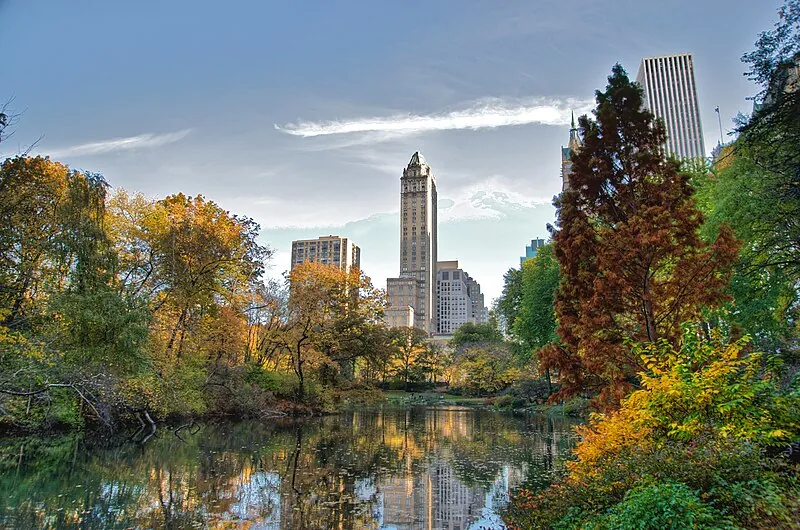
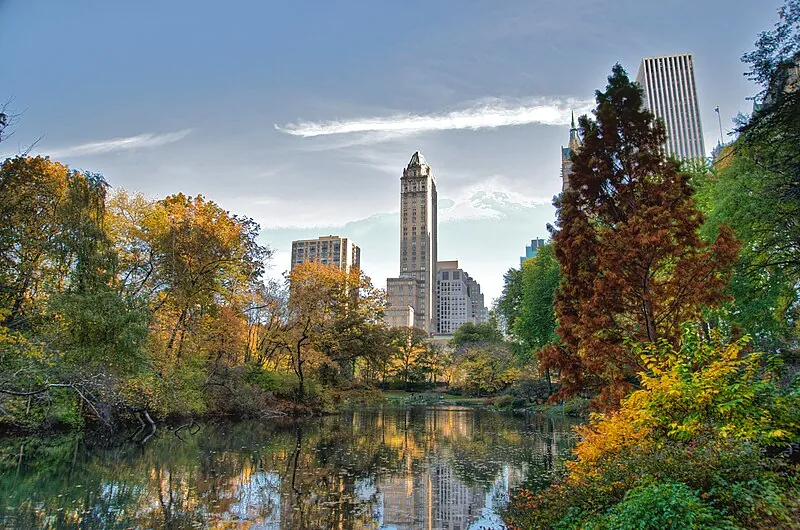
- Best time: September to November (autumn foliage in Central Park, less humidity than summer, fewer tourists than peak summer). April to June is also excellent. July and August are hot, humid, and extremely crowded. December can be magical but extremely cold.
- Budget: NYC is expensive. Mid-range accommodation: £150 to £300 per night. Budget accommodation: £80 to £130 (limited options; hostels for solo travellers). Meals: £15 to £25 for casual food; £50 to £100 for a proper restaurant meal; fine dining tasting menus: £200 to £400 per person.
Related: Chicago Travel Guide: Architecture, Blues, and Deep Dish | Route 66: The Classic American Road Trip Guide