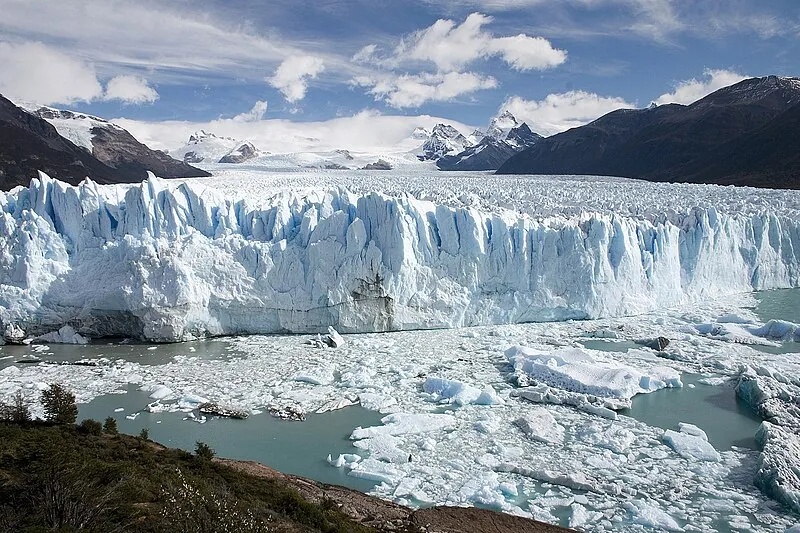
Chile is one of the most geographically extreme countries on Earth. Stretching 4,300 kilometers from north to south while averaging only 177 kilometers wide, it contains the driest non-polar desert on the planet, some of the most dramatic Patagonian mountain scenery anywhere, a vibrant port city covered in street art, and a wine valley producing one of the world's most distinctive red grape varieties. It is also one of South America's most politically stable, safest, and economically developed countries, making logistics considerably more straightforward than many of its neighbors. This guide covers the five destinations that form the essential Chile itinerary.
Santiago: Bellavista, Lastarria, and the City's Creative Core
Santiago (population approximately 7.5 million in the greater metro area) is a modern, high-functioning South American capital that many visitors underestimate. The city sits in a valley between the coastal range and the Andes, and on clear days (typically May through September when winter rains clear the smog) the snow-capped Andean peaks are visible from anywhere in the city.
Bellavista
Bellavista is Santiago's bohemian neighborhood, located north of the Mapocho River at the foot of Cerro San Cristóbal. It is best known as the location of La Chascona, one of the three eccentrically designed homes built by Nobel Prize-winning poet Pablo Neruda (the others being La Sebastiana in Valparaíso and La Isla Negra on the coast). La Chascona, built in 1953 and named for Neruda's lover Matilde Urrutia (whose curly hair the name references), is now a museum open to the public. Admission is approximately CLP 5,000 (around $5 USD). Bellavista's streets are lined with restaurants, bars, galleries, and the city's most concentrated nightlife. The neighborhood comes alive after 10 p.m. on weekends.
Lastarria
Lastarria, just south of the city center adjacent to Parque Forestal and the Museo de Bellas Artes, is Santiago's most elegant creative neighborhood. Its narrow streets are lined with independent bookshops, wine bars, international restaurants, and vintage clothing stores. The neighborhood has some of Santiago's best mid-range and boutique accommodation options. The Lastarria Boutique Hotel and the Hotel Magnolia (a converted 1920s neoclassical building) both receive consistently strong reviews. Expect to pay $100 to $200 USD per night for mid-range accommodation in this area.
From Lastarria, the Cerro Santa Lucía park is a ten-minute walk, a 69-meter volcanic mound that Pedro de Valdivia chose as the site of Santiago's founding in 1541, now landscaped with terraced gardens and offering panoramic city views. Admission is free. The Mercado Central, a 19th-century cast-iron market hall near the city center, is the best place in Santiago for a traditional lunch of fresh ceviche and caldillo de congrio (conger eel soup, another dish beloved by Neruda).
Atacama Desert: Salt Flats, Geysers, and the World's Driest Place
The Atacama Desert in Chile's far north receives an average of less than 1 millimeter of rainfall per year in its core areas. The Atacama plateau sits at an elevation of roughly 2,400 meters above sea level (higher in many areas), and the combination of altitude, low humidity, and the rain shadow created by the Andes produces the clearest skies on Earth. This is why the European Southern Observatory has constructed the world's most powerful telescope complex, the Very Large Telescope array and the forthcoming Extremely Large Telescope, in the Atacama.
San Pedro de Atacama is the base town for exploring the desert. It is a small adobe village of about 5,000 permanent residents that receives approximately 500,000 tourists annually. The key sites within a 30-90 minute drive include:
- Salar de Atacama: Chile's largest salt flat, covering about 3,000 square kilometers. The flamingo colonies at Laguna Chaxa within the salt flat (Chilean, Andean, and James's flamingos all nest here) are a highlight. Entrance to the Salar de Atacama is managed by the local Atacameño community and costs approximately CLP 5,000.
- Valle de la Luna (Moon Valley): A surreal landscape of salt and clay formations eroded into lunar shapes, located 13 kilometers west of San Pedro. Sunset here, when the formations turn orange and purple, is one of the classic Atacama experiences. Entry is CLP 4,000.
- El Tatio Geysers: The world's highest elevation geyser field at 4,320 meters above sea level, located 96 kilometers north of San Pedro. There are approximately 80 active geysers erupting columns of steam up to 10 meters high. The spectacle peaks at dawn (around 6 to 7 a.m.) when cold air temperatures maximize the visible steam column. Most tours depart San Pedro at 4 a.m. and return by 10 a.m. The altitude is serious: acclimatize for at least one full day in San Pedro (at 2,400m) before visiting. Entrance costs CLP 10,000.
- Lagunas Altiplánicas (Miscanti and Miñiques): Two high-altitude lakes at 4,200 meters, coloured a vivid turquoise-green by the minerals in the water. The surrounding volcanic landscape at this elevation feels genuinely otherworldly.
Accommodation in San Pedro ranges from the luxury Explora Atacama (from around $700 USD per night, all-inclusive) to budget hostels from $20 per night. The sweet spot for most travelers is one of the boutique adobe guesthouses (alojamientos) charging $80 to $150 per night. Book well in advance for July and August (Chilean winter high season, when skies are at their clearest) and for the Easter holiday period.
Torres del Paine: The W-Trek and Booking Lead Times
Torres del Paine National Park in Chilean Patagonia covers 181,414 hectares in the Última Esperanza Province, about 112 kilometers north of Puerto Natales. The park is centered on the Paine Massif, a granite intrusion of spectacular towers, horns, and peaks rising from the Patagonian steppe. The Cuernos del Paine (Horns of Paine) and the Torres themselves (three vertical granite pillars reaching 2,500 meters) are the iconic images of Patagonia worldwide.
The W-Trek
The W-Trek is a 4 to 5 day, approximately 70-kilometer route through the park's three main highlights: Mirador Las Torres (the viewpoint at the base of the three towers), Valle del Francés (French Valley, an amphitheater of hanging glaciers and serrated peaks), and Glacier Grey (a 270-square-kilometer glacier flowing from the Southern Patagonian Ice Field). The trail follows the shape of the letter W on the map, hence the name. Most hikers walk it east to west (starting from Laguna Amarga entrance) or west to east (starting from Pudeto on Lago Pehoé). Both directions have merit.
Booking Lead Times: This Is Critical
The W-Trek is logistically demanding because accommodation along the route is managed by two competing concessionaires: CONAF (the national parks agency) manages the free campsites, while Fantástico Sur and Vertice Patagonia manage the paid refugios (mountain huts with dormitory beds, meals, and hot showers) and premium camping. The paid refugios along the W-Trek charge approximately $80 to $140 USD per person per night including dinner and breakfast. Free CONAF campsites are at Chileno, Británico, and Pehoe (reservation required).
The critical planning fact: refugio reservations for the peak trekking season (November through March) must be made 6 to 12 months in advance for the most popular dates. Fantástico Sur (administering Refugio Chileno, Refugio Las Torres, Refugio El Chileno, and Refugio Mirador Las Torres) typically opens its reservation system in June or July for the following season. By October, peak dates are often fully booked. If you want to hike the W-Trek in January or February and are planning in September, expect limited availability. The shoulder season months of October and late March offer more booking flexibility and often better weather than mid-January, which can bring strong Patagonian winds (gusts exceeding 100 km/h are not unusual in any month).
Access to the park is via Puerto Natales, reached by a 4-hour bus from Punta Arenas (which has the nearest international airport, PMC, with connections to Santiago). Direct bus-plus-catamaran services from Puerto Natales into the park take approximately 2.5 to 3 hours to the Pudeto entrance.
Valparaíso: Funiculars, Street Art, and Pablo Neruda's Other House
Valparaíso sits on the Pacific coast 120 kilometers west of Santiago, accessible in about 75 minutes by bus from the Alameda terminal. It is a UNESCO World Heritage Site (inscribed in 2003) recognized for its urban and architectural heritage. The city climbs 42 hills (cerros) above a flat commercial port district (the plan), and the hillside barrios are connected to the seafront by ascensores, Victorian-era funicular elevators. Of the original 30 ascensores, about 15 to 17 remain operational at any given time. A single funicular ride costs CLP 100 to 200 (less than $0.25 USD).
The streets of Cerro Alegre and Cerro Concepción are the most visited, covered in large-scale murals by Chilean and international street artists. The work ranges from politically charged imagery reflecting Chile's turbulent 20th-century history to whimsical decorative pieces. The density of high-quality public art per block rivals Berlin's East Side Gallery or Melbourne's Hosier Lane. La Sebastiana, Neruda's Valparaíso home (now a museum, admission approximately CLP 5,000), is located on Cerro Florida and offers extraordinary views of the bay.
Valparaíso's port area, the Barrio Puerto, hosts the Mercado Puerto and several traditional seafood restaurants. Chorrillana (a dish of fries topped with caramelized onions, sliced beef, and fried eggs) is the city's signature comfort food. Craft beer culture has also taken root in the cerros, with a dozen small breweries operating in converted houses.
Colchagua Valley: Carménère and Chilean Wine Tourism
Chile's signature red grape is Carménère, a variety thought extinct after the phylloxera epidemic wiped out European vineyards in the late 19th century. Chile's vines had been imported before phylloxera and survived in isolation. For decades, Chilean winemakers grew Carménère alongside Merlot without knowing they were different varieties. In 1994, French ampelographer Jean-Michel Boursiquot identified the distinction on a visit to the Concha y Toro estate. Since then, Carménère has become Chile's viticultural calling card: a deeply colored, herbaceous red with notes of black pepper, dark plum, and green bell pepper that is entirely unlike any other variety produced elsewhere at scale.
The Colchagua Valley (Valle de Colchagua), about 190 kilometers south of Santiago in the O'Higgins Region, produces some of Chile's most highly rated wines. Key estates open to visitors include Viña Montes, Casa Lapostolle, and Viña MontGras. The town of Santa Cruz serves as the base for wine tourism and hosts the Museo de Colchagua, one of Latin America's most comprehensive pre-Columbian artifact collections (admission approximately CLP 6,000). The Tren del Vino (Wine Train) operates occasional excursion services between San Fernando and Santa Cruz during peak season, a scenic and popular option. Standard winery visits with tastings cost approximately $20 to $60 USD per person.
Visa Requirements and Entry
Chile maintains one of the most straightforward visa policies in South America. Citizens of the United States, Canada, the United Kingdom, Australia, the European Union, and most other developed nations do not require a visa for tourist stays of up to 90 days. Upon arrival, a Tarjeta de Turismo (Tourism Card) is issued, which must be retained and surrendered upon departure. Losing this card creates administrative delays at the border.
Citizens of Mexico and most Central and South American nations also enter visa-free. Citizens of countries requiring a visa must apply to the Chilean consulate in their home country. The Chilean government's official visa information is available through the Ministerio de Relaciones Exteriores website. Chile's Paso Los Libertadores land crossing from Mendoza, Argentina (via the stunning Andes mountain highway) is one of the most dramatic border crossings in the world but can be closed by snow between June and August.
Currency, Costs, and Getting Around
Chile's currency is the Chilean Peso (CLP). As of early 2025, the approximate exchange rate is 900 to 950 CLP per US dollar. Chile is the most expensive country in South America for travelers but remains considerably cheaper than Western Europe or North America. A mid-range hotel in Santiago or Valparaíso costs $80 to $150 USD per night. A sit-down restaurant meal in Santiago costs $15 to $30 USD per person. A daily budget excluding accommodation runs $60 to $100 USD for a mid-range traveler.
Santiago's metro system is one of the best in South America: clean, punctual, and covering all major parts of the city. A single metro ride costs CLP 800 to 900 (under $1 USD). Long-distance bus travel between Santiago, Valparaíso, and wine country destinations is excellent. Tur Bus and Pullman Bus operate frequent, comfortable services. For Patagonia, domestic flights with LATAM or Aerolíneas Argentinas connect Santiago to Punta Arenas in about 3.5 hours. Booking flights 6 to 8 weeks ahead typically yields fares of $100 to $200 USD one way.
Related: Argentina and Uruguay: Buenos Aires, Patagonia, and the Pampas | Patagonia Packing Guide: What to Bring for Torres del Paine